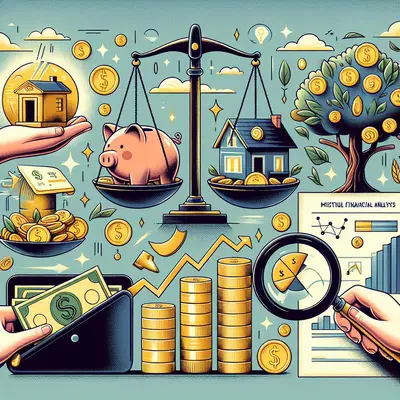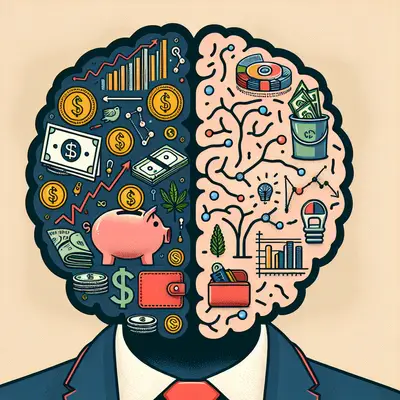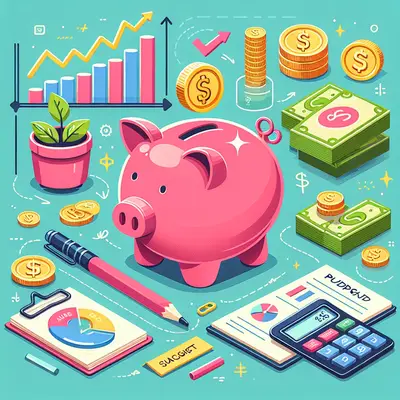
The money vibe is shifting. It’s not just “save more, spend less” anymore—it’s “design a life you actually want and make your money work around that.” Personal finance is finally catching up with how people really live: flexible, online, multi-income, and deeply allergic to burnout.
This isn’t your parents’ budgeting talk. These are the trending money moves people are screen-shotting, stitching, and sending to the group chat. Let’s get into the five power trends quietly redefining what wealth looks like right now—and how you can plug in.
1. Lifestyle-First Budgeting: Building Your Money Around Your Ideal Day
Traditional advice starts with spreadsheets. The new wave starts with your perfect Tuesday.
Lifestyle-first budgeting asks: What do I want my daily life to feel like—and what does that actually cost? Instead of random “I should cut coffee” guilt, you reverse-engineer your budget from your non-negotiables: gym membership, solo travel, slow mornings, hobbies, or zero Sunday emails.
Here’s how it plays out in real life:
- You define your “core life pillars” (health, social, creative, freedom, comfort).
- You price them out monthly—no sugarcoating.
- You protect those line items like rent or utilities. They’re not “treats”; they’re planned.
- Everything else becomes flexible: subscriptions, impulse buys, upgrade temptations.
The result: money that actually reflects your values instead of random rules from a finance thread. People are sharing “ideal life budgets” on socials because it flips the script—from deprivation to design. You’re not just surviving; you’re curating.
2. The Skill Stack Era: Treating Skills Like Assets, Not Just Resume Lines
The new flex isn’t just a high salary—it’s a stack of skills that can spin off income on demand.
Instead of waiting for promotions, people are using “skill stacking” as an investing strategy: you invest time and sometimes money into skills that can pay you back for years—across jobs, side hustles, and even businesses. Think of it like a portfolio:
- Tech + storytelling = high-value marketing, content, or consulting work
- Design + data = UX, product, or analytics-friendly creative roles
- Language + industry knowledge = niche localization and translation gigs
- AI tools + your existing job skills = massively boosted output (and earning power)
The trending mindset: skills are compounding assets. A course, certification, or deep-dive learning sprint might cost you now—but can 2–5x your earning power over time. That’s ROI, not a random expense.
People are sharing screenshots of income jumps tied to one skill: negotiation, public speaking, AI tools, or niche software. The quiet truth? Upgrading your skills often beats obsessing over tiny budget cuts.
3. Hybrid Earning: Mixing Stable Money with “Upside Money”
Single-income streams are starting to feel like single points of failure. The buzz now is around “hybrid earning”: one stable base + one or more upside plays.
Think of it like this:
- Base money = your job or primary freelance income (predictable, bills get paid)
- Upside money = things that could grow, scale, or spike: digital products, niche content, consulting, flipping, creative work, equity, or commission-based gigs
Instead of quitting your job to chase a dream, you’re layering: keep the base steady, experiment with upside in the margins of your week. That could mean:
- Turning deep knowledge from your job into paid templates, workshops, or guides
- Turning a hobby (fitness, beauty, gaming, travel) into content that can be monetized
- Joining a startup or small company with stock options or performance bonuses
The reason this is trending? Hybrid earning lowers financial anxiety. You’re not betting your future on one employer or one algorithm. And if one stream dips, others can cover the gap. It’s diversification—but for your income, not just your investments.
4. Money Rituals Over Money Resolutions
Forget once-a-year “I’ll get my money together” promises. The people quietly leveling up have money rituals—small, repeatable habits that keep cash-flow chaos in check.
Rituals feel different because they’re personal and rhythmic, not harsh or guilt-driven. Examples that are popping up everywhere:
- Weekly 20-minute money date: You sit down with your bank app, check transactions, move cash to savings, and adjust for the week ahead—headphones on, candle lit, playlist going.
- Paycheck “autopilot”: As soon as money hits, it’s auto-split to bills, savings, investments, and spending. You never see your full check as “available,” so you’re not tempted to burn through it.
- One-tab audit: Once a month, you go through subscriptions and recurring charges. If you wouldn’t notice it missing, cancel it.
These rituals turn money from something you avoid into something you touch regularly—but lightly. No shame spiral. No 3-hour spreadsheet nightmare. Just consistent contact.
The viral factor: money rituals are incredibly shareable—people love posting their “Sunday reset” or “payday routine” as aesthetic content. And behind the vibe? Real financial control.
5. Slow Flex Finance: Quietly Rich in Security, Not Just Stuff
Loud flex used to mean designer labels, luxury cars, and expensive trips. The new flex is softer—and way more powerful:
- No high-interest debt
- 6+ months of expenses in cash or cash-equivalents
- Realistic retirement plan with automated investing
- Work flexibility because you’re not trapped by bills
- The ability to say “no” to toxic jobs, situations, or clients
This is “slow flex finance”: the wealth you feel more than you flaunt. It shows up as:
- Turning down overtime because your peace is worth more than extra pay
- Booking trips without going into debt
- Choosing apartments or cities for lifestyle—not just what’s cheapest
- Knowing an emergency won’t wreck your entire year
People are getting louder online about this version of success: screenshots of credit card balances hitting $0, first-time maxing a Roth IRA, or hitting their “F-You Fund” number. The message is clear: the real luxury isn’t the purchase—it’s the option.
Conclusion
The new money era isn’t just about numbers—it’s about narrative. Lifestyle-first budgets, stacked skills, hybrid income, money rituals, and slow flex finance are all different ways of saying the same thing:
You’re allowed to build a rich life that feels good now and compounds over time.
You don’t need perfection. You need direction:
- Design the life, then build the budget.
- Treat skills like assets.
- Blend stable income with upside plays.
- Anchor your week in simple money rituals.
- Aim for quiet power, not loud pressure.
Screenshot the piece that hits you hardest, drop it in your group chat, and start treating your next money move like part of your soft life strategy—not a punishment.
Sources
- Consumer Financial Protection Bureau – Building a Budget - Practical framework for creating budgets that align with real-life priorities
- U.S. Bureau of Labor Statistics – Multiple Jobholders Data - Official data on people holding more than one job, relevant to hybrid earning trends
- Harvard Business Review – The Secret to Building a Successful Skill Stack - Explores how combining skills can increase career and income opportunities
- FINRA – Emergency Funds and Financial Resilience - Guidance on building financial cushions and why they matter for security
- Investopedia – Dollar-Cost Averaging and Long-Term Investing - Explains how consistent investing habits can compound wealth over time
Key Takeaway
The most important thing to remember from this article is that this information can change how you think about Personal Finance.