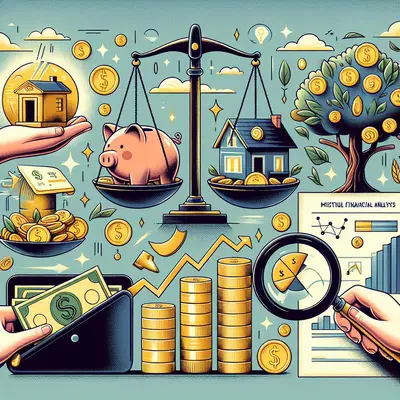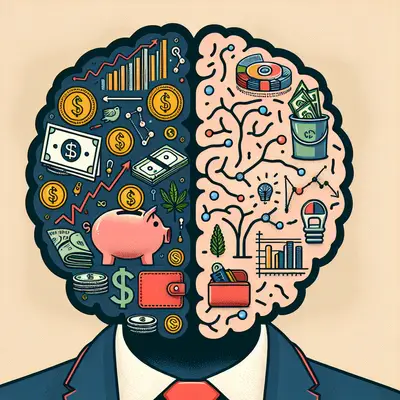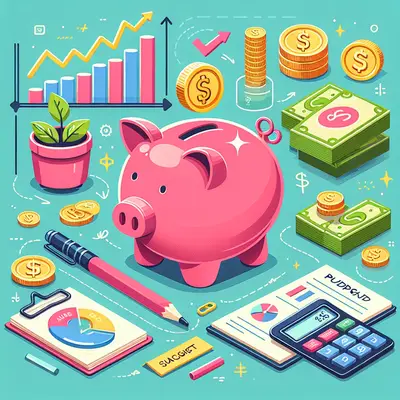
Everyone wants the soft life—slow mornings, spontaneous trips, zero panic when your card gets tapped. But here’s the twist: the soft life is built on hard numbers. The people who look “effortlessly” put together? Their money game is planned, automated, and low-key ruthless behind the scenes.
This isn’t your grandma’s budgeting lecture. This is the 2025 money glow-up: flexible, digital, and designed so your bank account actually matches the lifestyle you post about.
Point 1: Lifestyle-First Budgeting (Reverse-Engineering Your Dream Day)
Forget starting with spreadsheets and sacrifice lists. Start with your dream day, not your dream number. What does a good Tuesday look like for you—gym, matcha, Uber, streaming, dining out, maybe a side-project session? Write it out in detail, then put a real price next to each piece. This flips budgeting from “what do I cut?” to “what do I actually care enough to fund?” and turns random impulse spends into conscious choices. Once you know the real cost of your ideal week, you can stack your income and savings around it instead of guessing. The magic moment is when you realize some “non-negotiables” aren’t actually that important—and some quiet, boring habits (like cooking at home 3 nights a week) buy you way more freedom than you expected. Lifestyle-first budgeting makes your money plan feel like a design project, not punishment.
Point 2: The Autopilot Flex: Automate Boring, Gamify the Fun
The richest flex in 2025 isn’t a luxury haul—it’s having your money move smarter than you do. Set up auto-transfers that send cash to savings, investing, and bills the second your paycheck lands, before you even see it. That’s your “future self” fund, protected from late-night scrolling and random checkout pages. Then, turn your remaining spending into a game: weekly “no-spend sprints,” friend challenges (“who can have the lowest delivery spend this month?”), or reward systems where you only unlock fun purchases after hitting certain money moves. Use apps that show your progress in visuals—graphs, streaks, milestones—so wins feel tangible and shareable. Automate the discipline. Gamify the dopamine. That combo is unstoppable.
Point 3: Money Stacks: Separating “You Now” From “Future You”
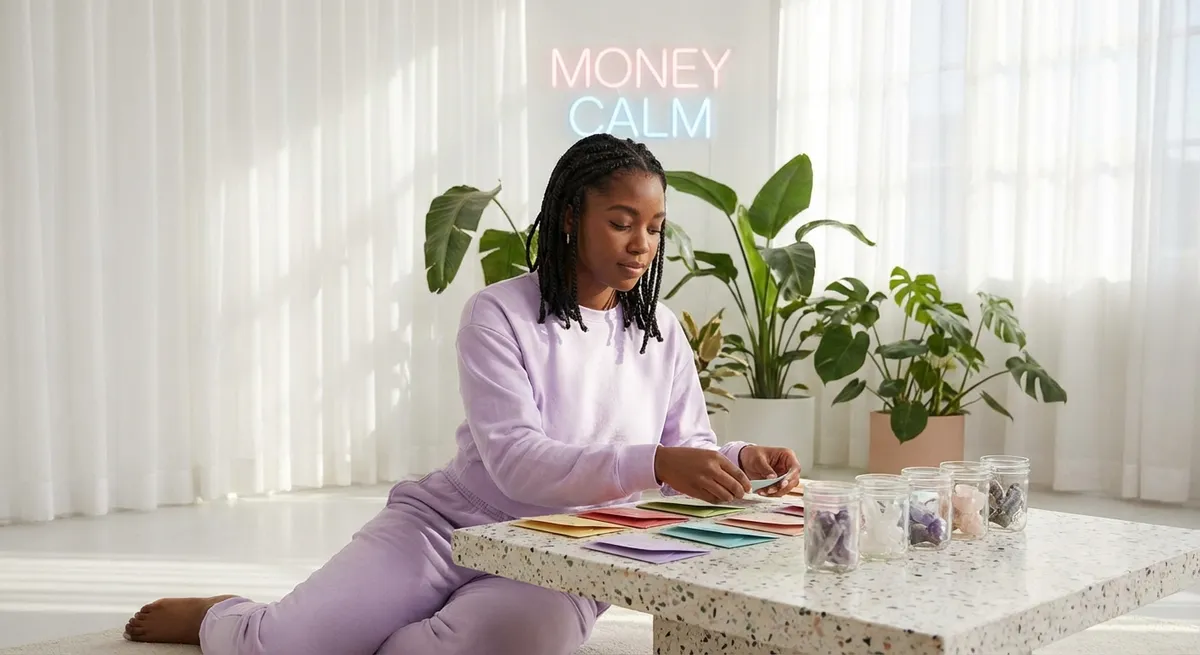
One account for everything is chaos. You buy brunch, pay rent, and invest from the same pot—and then wonder where it all went. The new move is “money stacking”: splitting your cash into clearly named mini-accounts so every dollar has a job. Think: “Rent + Bills,” “Groceries,” “Vibes & Fun,” “Travel,” and “Future Me” (investing/savings). Most digital banks and fintech apps let you set these up in minutes with nicknames and even emojis. The psychological shift is massive: when “Vibes & Fun” is empty, that’s your limit—not your whole bank balance. You’ll start making cleaner, quieter decisions because the numbers are right in front of you. Money stacks turn your finances from one messy group chat into organized channels where everyone knows their role.
Point 4: Passive Income Is Cute, But Passive Protection Is Hotter
Everyone’s screaming about passive income—but passive protection is what keeps you from getting wiped out. Think: emergency fund on autopilot, minimum payments on timers, and bill alerts before due dates hit. Protecting your downside is the unsexy move that separates people who “almost had it” from people who quietly keep winning. Protect your time too: unsubscribe from services you don’t remember saying yes to and mute money-draining temptations (flash sales, constant promos, “just dropped” emails). Tiny frictions—like a 24-hour rule before big purchases—save you from regret buys that feel good for 10 minutes and sting for 30 days. Passive protection means you don’t have to live in panic mode every time life throws a curveball. Your money is wearing its own seatbelt, even when you’re not paying attention.
Point 5: Skill Stacking Over Side-Hustle Burnout
Not every financial glow-up needs a 4 a.m. side hustle. Instead of grinding yourself into dust, start stacking skills that make you more valuable in your main lane. Negotiating, presenting, basic data skills, writing clear emails, using AI tools—these are the quiet superpowers that can justify a raise, better clients, or premium rates. Treat your job or business like a startup: what makes you more profitable, not just more busy? Spend 1–2 hours a week intentionally learning (courses, YouTube, podcasts, mentorship calls) with a clear goal: “I’m leveling up this skill to ask for this raise or target this type of client in three months.” Skill stacking is slower than chasing viral side hustles, but it compounds harder. The goal isn’t 10 chaotic income streams—it’s a few high-quality ones that actually buy you time and peace.
Conclusion
The soft life isn’t a filter; it’s a system. When your money is stacked, automated, and aligned with what you actually value, everything starts to feel lighter—your calendar, your DMs, your bank app.
Redesign your money around your dream day, not someone else’s flex. Build your stacks, put protection on autopilot, and invest in the skills that keep paying you back. That’s the real money calm—and it looks even better offline than it does on the grid.
Key Takeaway
The most important thing to remember from this article is that this information can change how you think about Personal Finance.