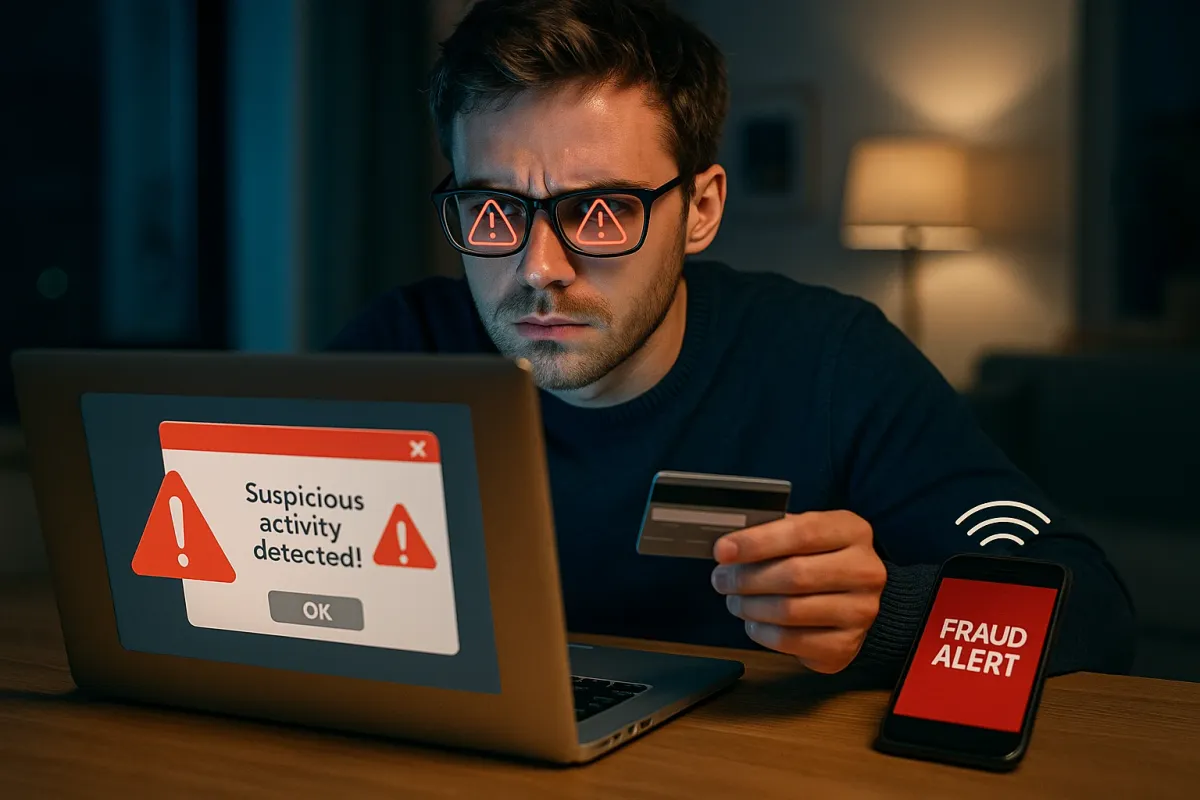
If your feed feels like it’s 50% memes and 50% scam alerts, you’re not imagining things. From Reddit threads where people confess the scams they fell for, to news headlines about wild financial frauds, the internet is basically screaming: “Protect your money, now.”
And honestly? It’s the wake-up call we needed. With AI-generated fake voices, hyper-realistic phishing emails, and “too good to be true” side hustles popping up every scroll, personal finance in 2025 isn’t just about budgeting — it’s about dodging digital landmines.
Let’s break down what today’s viral scam stories are really teaching us about our money, and how to turn that chaos into next-level financial armor.
1. Your “I’d Never Fall For That” Confidence Is Your Weak Spot
Those Reddit confession threads where people admit the scams they fell for are brutal — and super relatable. It’s not just “random boomers” clicking suspicious links. It’s tech bros, online shoppers, crypto-curious newbies, and people who thought they were way too smart to be tricked.
Modern scams are built to bypass your logic and hit your emotions: urgency (“your account is locked”), fear (“IRS issue”), or opportunity (“exclusive investment”). They don’t need you to be dumb; they just need you to be rushed, stressed, or distracted for 10 seconds. That means your best defense isn’t arrogance — it’s systems. Things like never clicking links from “bank” texts, always logging in via the official app, and assuming every “urgent” message is fake until proven real. Confidence is cute; protocols are richer.
2. The New Luxury: Banks and Apps That Actually Fight for You
Here’s the quiet plot twist behind the surge of scam talk: banks, payment apps, and fintechs are under heavy pressure to step up fraud protection — and some are way ahead of others. You’re seeing more real-time alerts, spending notifications, “did you mean to send this?” warnings, and auto-freeze options because regulators, social media, and angry customers are done accepting “oops, your problem” as a response.
If your bank still makes fraud protection feel like a side quest from 2009, that’s a financial red flag. Today’s best money stack looks like this:
- Banking apps that let you lock cards instantly and control online vs in-person spending
- Credit cards with strong zero-liability policies and easy dispute flows
- Payment apps that flag risky transfers or new recipients
You’re not just choosing a place to park your cash — you’re choosing a security partner. In 2025, that’s part of your net-worth strategy.
3. AI Scams Are Here, So “Verifying” Now Means Something Completely Different
Those stories going viral about AI-cloned voices calling parents for “emergency” money or AI-generated documents sliding past basic checks? That’s not sci-fi anymore, that’s Tuesday. The old advice of “just call and verify” doesn’t work if the voice on the phone literally is your mom — except generated by a model.
The new rule:
Verification has to be out-of-band and pre-agreed. That could mean:
- You and your partner/family pick a secret word or phrase for real emergencies
- Any money request over a set amount must be double-checked via video or in-person, not text or call alone
- You assume every “urgent payment” request is fake until it passes your personal checklist
This isn’t paranoia; it’s the updated version of “don’t give your PIN to strangers.” The scammers leveled up. Your process has to, too.
4. Side Hustle or Side Trap? The New “Easy Money” Filter
The same internet that drags scammers in Reddit threads is also full of posts hyping “passive income,” “auto-trading bots,” “resell this course,” and “DM me for a guaranteed return.” That overlap is not an accident. Scammers go where the dreamers are — and right now, people are dreaming of faster money.
A simple filter that will save you four (or five) figures:
- If it promises high return + low effort + low risk → assume scam until proven legit
- If you have to pay to access the money opportunity (courses, secret groups, “investment clubs”) → proceed like you’re walking into a dark alley with AirPods in
- If the timeline is urgent (“closing tonight,” “last 3 spots”) → massive red flag
Real wealth plays usually look boring: index funds, long-term investing, slow-growing side businesses, skill stacking. They don’t come wrapped in pressure, secrets, or countdown timers.
5. The Smartest Money Move in 2025: Building a “Scam-Resistant” Life Setup
Here’s the part finance nerds are secretly geeking out over: you can design your personal finances so that even if you do mess up once, a scam doesn’t nuke your entire life savings. It’s about structure, not perfection.
Some power moves:
- Separate “risk money” from “life money”
- Keep bills, rent, and essentials in one main account
- Use a separate checking or prepaid card for online shopping and subscriptions
- Use credit cards (wisely) as fraud buffers
- Credit cards typically have better fraud protection than debit
- Pay them off monthly so you’re using them as shields, not debt traps
- Turn on every alert possible
- Transaction notifications, login alerts, new device alerts, new payee alerts
- Yes, it’s noisy. So is a fire alarm — that’s the point
- Make a “scam plan” before you need it
- Know exactly how to freeze cards, lock your credit, or contact your bank
- Save those numbers and links in a secure note or password manager
You’re not aiming for “I’ll never be tricked.” You’re aiming for “Even if I slip once, my system catches it before it wrecks me.” That’s real financial power.
Conclusion
The wave of scam confession threads, fraud headlines, and “don’t be like me” posts isn’t just internet drama — it’s a crash course in the new rules of personal finance. Your money life now lives online, which means your biggest threats aren’t just bad budgets and impulse buys. They’re clever, evolving, and often just one click away.
But you’re not powerless. By upgrading your mindset, your tools, and your systems, you can turn today’s horror stories into tomorrow’s protection plan. Share this with the friend who’s “too smart to get scammed” — they’re exactly the one who needs it.
Key Takeaway
The most important thing to remember from this article is that this information can change how you think about Personal Finance.