If you’ve scrolled social at all this week, you’ve seen it: people confessing the scams they fell for so others won’t. A Reddit thread about money scams just went viral, and it’s not just entertainment—it’s a snapshot of one of the biggest market trends of 2025: financial self-defense going mainstream.
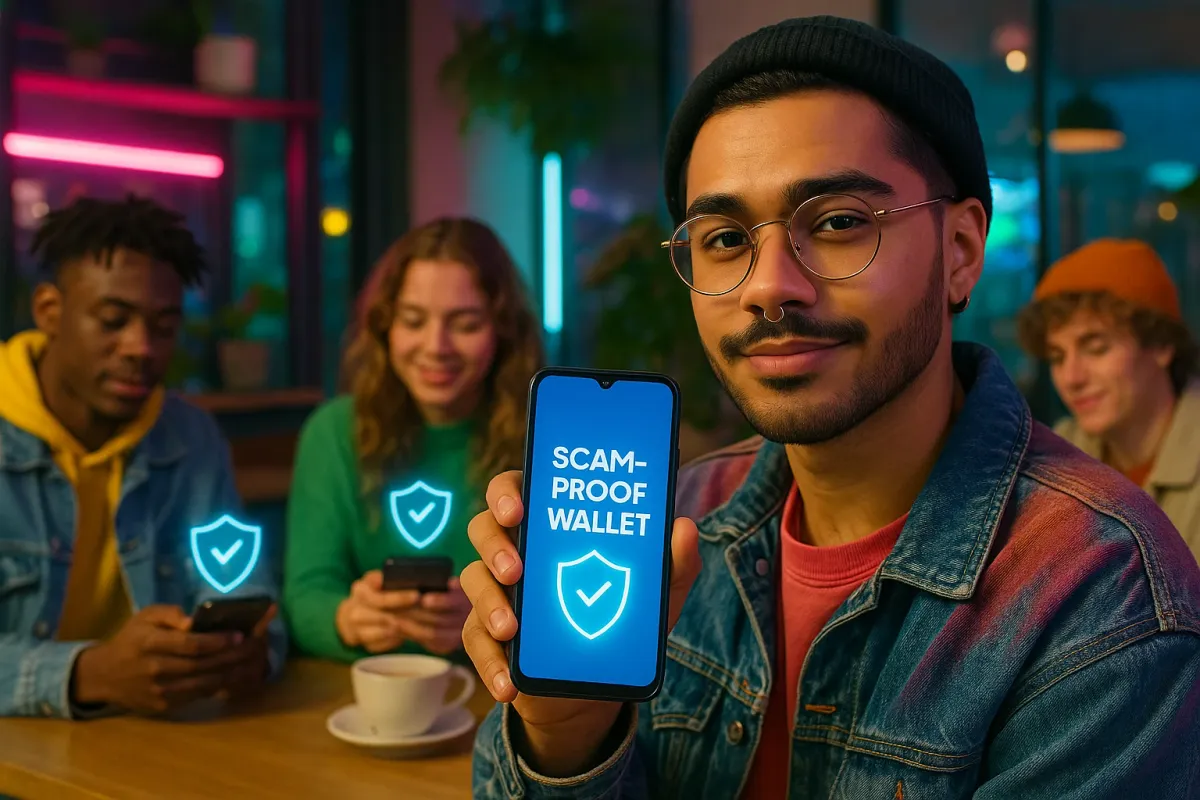
From “Nigerian princes” to fake car-accident emergencies, these aren’t just embarrassing stories. They’re raw data points in a multi-billion-dollar shift: consumers are waking up, regulators are moving in, and fintechs are scrambling to turn fraud prevention into a full-blown product feature. Scam-proof is officially a status symbol.
Let’s break down the trend wave this is powering right now—and how it’s reshaping where money, talent, and attention are flowing.
Scam Stories Are Becoming a Social Currency
That viral Reddit thread where people shared the scams they fell for? It’s doing numbers because it hits a nerve: almost everyone has a story, or knows someone who does. Instead of hiding the embarrassment, people are turning it into content—tweet threads, TikToks, Instagram carousels titled “I Got Scammed So You Don’t Have To.”
This public oversharing is creating a powerful feedback loop for markets. Real-world scam patterns are being documented in real time: fake investment “gurus,” Zelle overpayment tricks, romance scams, deepfake voice calls pretending to be your boss or family member. In 2025, that’s free UX research for banks, regulators, and startups building fraud tech. The more people talk, the more sophisticated the defenses can get—because scammers iterate, but now the victims are iterating, too.
Anti-Fraud Is Now a Massive Fintech Arms Race
Fraud used to be a boring back-office line item. In 2025, it’s a product headline. Challenger banks, payment apps, and even old-school banks are racing to market “we’ve got your back” features: real-time scam warnings, automatic chargeback support, spending alerts powered by AI anomaly detection.
VC money is following the fear. Global fraud losses run into the hundreds of billions annually, and investors are betting that whoever builds the best anti-scam stack wins huge adoption. We’re seeing a wave of startups focused just on one slice of the problem: synthetic identity detection, deepfake spotting, behavioral biometrics, SMS scam filtering, and even browser extensions that flag shady shopping sites before you even click “checkout.”
The viral scam conversations online are basically a free accelerator for these companies—every new story is a use case, every new trick is a feature request.
“Financial Hygiene” Is the New Mental Health Trend
A few years ago, everyone started openly talking about therapy and burnout. In 2025, there’s a parallel wave: “financial hygiene” content. Influencers and creators are dropping threads like, “Here’s how I almost got drained by a fake brokerage app,” mixing shame, humor, and step-by-step prevention tips.
This is turning money-safety into a lifestyle niche:
- People flexing password managers and hardware security keys the way they used to flex new sneakers.
- Group chats turning into instant fraud-alert networks.
- Families actually doing “scam drills” for elderly parents and teens.
Brands are reading the room. Neobanks and investing apps know that trust is the only real moat, so they’re leaning into education campaigns: built-in scam simulators, plain-language warnings inside apps, and push notifications that sound more like a friend than legalese. That Reddit scam thread isn’t just entertainment; it’s feeding a cultural shift where being “hard to scam” is part of your identity.
Regulators and Banks Are Quietly Rewriting the Rules
While scams go viral, regulators are not just lurking—they’re drafting. The rise of instant payments, peer-to-peer transfers, and borderless fintech has made fraud faster, harder to reverse, and more emotionally brutal. That’s triggering serious policy questions: Who eats the loss when a consumer gets tricked but “technically” authorized the payment?
We’re seeing early moves toward tighter rules on:
- How banks investigate and reimburse scam victims
- How platforms verify identities before onboarding
- What disclosures investing apps must show before high-risk trades
The trend: more pressure on institutions, less blame dumped on victims. As public outrage grows—fueled by viral scam confessionals—politicians can’t ignore it. Markets are already pricing this in: compliance, KYC, and fraud controls are no longer overhead; they’re strategic differentiators.
ScamTech Is Becoming an Investment Theme
If you want to understand where markets are going, follow what scares people. Right now, scams are top-of-mind, and that fear is turning into a full-blown investment theme. Analysts are carving out “ScamTech” as a sub-sector: companies that sit at the intersection of cybersecurity, fintech, identity verification, and consumer protection.
Investors are hunting for:
- Public companies with strong fraud-detection product lines baked into payment systems, banking software, and e-commerce platforms
- Private startups using AI to flag suspicious money flows in real time
- Platforms building reputation layers (think: verified sellers, trusted counterparties, on-chain identity scores in crypto/DeFi)
The key shift? Protecting users is no longer a “nice to have”—it’s a selling point that drives adoption, retention, and premium pricing. In a world where a single scam can go viral and destroy trust overnight, the market is rewarding whoever can say, credibly: “Not on our platform.”
Conclusion
That viral Reddit thread about scams isn’t just juicy content—it’s a live feed of how the money world is evolving. Consumers are louder, scammers are smarter, regulators are tougher, and fintech is racing to turn protection into a product.
If you’re watching market trends, put this on your radar: in 2025, the real flex isn’t just how much you make—it’s how hard you are to scam. And the companies that help people flex that safely? They’re the ones quietly positioning themselves for the next big growth wave.
Key Takeaway
The most important thing to remember from this article is that this information can change how you think about Market Trends.