If your money doesn’t match your main-character energy yet, this is your sign to fix it. Personal finance in 2025 isn’t just “budget and save” anymore—it’s vibes + data + strategy. The new flex isn’t just a designer bag or a nice car; it’s options, time freedom, and a bank balance that can survive chaos without breaking a sweat.
This is your glow-up guide to the five money moves everyone’s quietly making—and loudly sharing—right now. Screenshot, share, and send this to the friend who “will start next month.”
From Vague Goals to “Money Scripts”: Rewrite Your Financial Story
Most people say “I want to be rich” and then wonder why nothing changes. The people actually leveling up are ditching vague goals and rewiring their money scripts—the beliefs and stories they grew up with about cash, success, and risk.
Instead of “I’m bad with money,” they’re asking: Where did that belief come from? Did your parents fight about bills? Did you grow up where “rich people are greedy” was basically a family motto? Those scripts still run in the background until you consciously rewrite them.
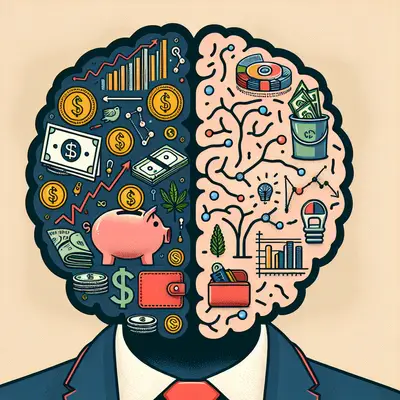
The 2025 move is to treat your money mindset like code: buggy, but fixable. People are journaling about their earliest money memories, auditing their beliefs, and replacing them with scripts like “I can learn any money skill with time and reps.” Add metrics to the mindset: a monthly “money check-in” where you track net worth, savings rate, and how often emotions (stress, fear, FOMO) drove your choices.
The glow-up isn’t just more money—it’s less panic, less guilt, and financial decisions that finally feel aligned with who you’re becoming, not who you used to be.
The Anti-Perfection Budget: Flexible Plans for Real-Life Chaos
The era of “perfect spreadsheets or nothing” is dead. The new hotness is the anti-perfection budget—a flexible plan that expects you to mess up and still keeps you on track.
Instead of one strict number, people are using ranges:
- Groceries: $350–$450
- Fun: $150–$250
- Eating out: $100–$180
This gives you space for real life—birthday dinners, sudden cravings, three coffee runs instead of one—without feeling like you “failed” your budget. The key trend: people are building non-judgy systems instead of relying on willpower.
The other big shift? Automations over discipline. Set bills on autopay, set a calendar reminder for your “money date” once a week, and route money to savings and investments before it even hits your “spend” account. Finance creators are sharing their screen-recorded budgeting routines, and it’s turning into a whole mini-genre: lo-fi music, color-coded categories, and zero shame over “oops” purchases—just honest resets.
Your budget should feel like a playlist you want to keep using, not a punishment you want to avoid.
Micro-Investing the “Boring Way” (That Actually Builds Wealth)
There’s always a new shiny thing in finance, but the win that keeps going viral among people in the know is surprisingly boring: automatic micro-investing into broad, low-cost index funds.
Instead of swinging for the fences with stock picks or timing crypto hype cycles, more people are quietly setting up recurring small buys—$25 here, $50 there—into diversified funds that track the overall market. It’s not sexy in the moment, but the long-term charts are screenshot gold.
Key plays people are sharing right now:
- Using fractional shares to own pieces of big-name companies and ETFs without needing hundreds of dollars up front.
- Automating weekly or biweekly contributions so investing feels like a subscription to your future self.
- Setting long-term horizons: 10, 20, 30+ years, not 10 days.
What makes this micro-investing trend different in 2025 is the transparency. Creators are showing real numbers: their first $500, their first $10,000, the months where the market dipped and they still bought. It’s less about flexing huge gains and more about proving that consistency beats chaos.
If you’ve been waiting for “more money” before you start investing, this is your invitation: start with what you have, scale it as you grow.
Lifestyle Design > Lifestyle Creep: Spending as a Power Move
Lifestyle creep (quietly upgrading everything as your income rises) used to be the villain. Now the conversation is more nuanced: intentional upgrades are in, unconscious creep is out.
High earners and aspiring high earners are asking two new questions:
Does this upgrade buy me time, health, or joy—or just status?
Would I still choose this if no one ever saw it online?
People are happily spending more on:
- Therapy, coaching, and education that increase earning potential or emotional stability.
- Convenience that frees up time (cleaning help, grocery delivery, co-working spaces).
- Hobbies that keep burnout away—fitness classes, travel, creative projects.
At the same time, they’re ruthlessly cutting “default” expenses that don’t move the needle: subscriptions they forgot about, doom-scroll retail therapy, or upgrades they bought purely for aesthetics.
The flex isn’t “I never spend.” The flex is “I spend aggressively on what matters to me and almost nothing on what doesn’t.” This is the new luxury: a life that looks good and feels sustainable behind the scenes.
Career Stacking: Treating Your Skills Like an Investment Portfolio
The biggest money move of 2025 might not be in your brokerage account—it’s in your skill set.
Instead of relying on one job or one income stream, people are building career stacks: combinations of skills, side projects, and income sources that make them harder to replace and faster to rebound from layoffs or downturns.
Think of it like this:
- Your main job = your “core holding”
- Your side income (freelance, consulting, content, tutoring, etc.) = your “satellites”
- Your skills (coding, writing, design, AI tools, management) = your “R&D lab”
People are using free or low-cost online education to upskill in targeted ways—learning data, AI, digital marketing, or technical tools that boost their earning power. Instead of asking “What job pays the most?” they’re asking “What combination of skills makes me rare and in demand?”
This trend is super shareable because it feels empowering: you don’t have to wait for a promotion to change your money story. You can build a stack that makes you raise-resistant, recession-resistant, and FOMO-resistant.
Your net worth isn’t just your money—it’s your ability to create money on demand.
Conclusion
This is your official notice: your 2025 money era doesn’t have to look like your past. The new wave of personal finance isn’t about perfection, guilt, or “no lattes ever.” It’s about:
- Rewriting your money story on purpose
- Using flexible systems that survive real life
- Investing small and often, not big and rarely
- Spending with intention instead of impulse
- Treating your skills and career like your most powerful assets
You don’t need to do everything at once. Pick one of these moves, set a tiny, specific action for this week, and get a win on the board. Then share your progress—because money talk isn’t taboo anymore, it’s community fuel.
Screenshots, group chats, story time: your future self will thank you for making this the year your finances finally matched your ambition.
Sources
- Consumer Financial Protection Bureau – Money Mindset & Behavior – Explores how beliefs, emotions, and psychology influence financial decisions.
- U.S. Securities and Exchange Commission – Introduction to Mutual Funds and ETFs – Explains diversified funds, fees, and why broad-market investing is a common long-term strategy.
- Vanguard – The Case for Regular Investing Over Time – Breaks down the benefits of consistent investing (dollar-cost averaging) versus trying to time the market.
- Bureau of Labor Statistics – Career Outlook on Skills and Earnings – Shows how specific in-demand skills can affect employability and income potential.
- National Endowment for Financial Education – Budgeting & Cash Flow – Provides data and insights on how people budget, save, and where flexible planning can reduce financial stress.
Key Takeaway
The most important thing to remember from this article is that this information can change how you think about Personal Finance.