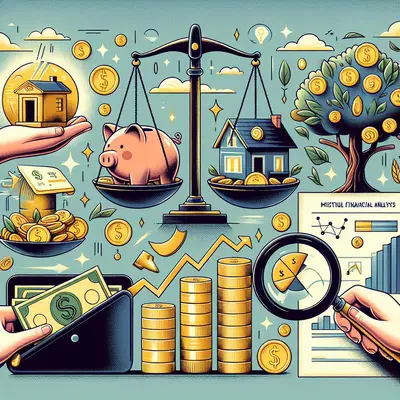
If you’re tired of money advice that sounds like it was written for a spreadsheet and not a human, this one’s for you. Personal finance is having a glow-up: it’s less “never buy lattes” and more “design a life where your money actually matches your identity, values, and vibe.”
Below are 5 trending money moves that are blowing up group chats, Discords, and timelines right now—because they’re practical, flex-worthy, and built for people who actually want to enjoy their lives, not just hoard savings forever.
1. “Minimum Vibes, Maximum Auto”: The New Lazy-Rich Strategy
The hottest money move right now? Automating almost everything so you can stop obsessing and start living.
Instead of manually paying bills and “trying to remember to invest,” people are:
- Auto-paying credit cards in full to dodge interest and late fees
- Auto-moving a fixed amount to a high-yield savings account every payday
- Auto-investing into low-cost index funds and letting compound growth do the work
- Auto-splitting paychecks: some to bills, some to savings, some to “guilt-free fun”
This isn’t about being boring—it’s about building a system that runs in the background while you’re busy living your life. Think of it as “set-and-flex”: you set it once, then flex later when your accounts quietly level up while you sleep.
The trend is shifting from “I’ll do it when I remember” to “I’ll only have to remember it once.” That’s how real wealth habits get built—by default, not by willpower.
2. Skill Stack Over Side Hustle: Turning Your Brain Into the Main Asset
The old mantra was “get a side hustle.” The 2025+ version is “build a skill stack.”
People are realizing that constantly chasing random gig work is exhausting, but strategically stacking skills can permanently increase your earning power.
Instead of just grinding extra hours, finance-savvy people are:
- Learning tech-adjacent skills (data literacy, basic coding, automation tools)
- Leveling up communication (presentation, negotiation, storytelling)
- Getting good at money basics (reading a pay stub, understanding benefits, taxes)
- Mixing “hard skills” (design, analytics, writing) with “soft skills” (leadership, influence)
Why this is trending: your salary, freelance rate, or business revenue is often the biggest lever in your entire financial life. Cutting takeout saves $50. Negotiating a raise can add $5,000–$20,000 a year, every year.
The new personal finance flex isn’t just “I budget.” It’s “I made myself more expensive.”
3. Lifestyle Design First, Numbers Second: Budgeting That Doesn’t Feel Like Punishment
Traditional advice starts with numbers—spreadsheets, categories, rules. The new wave starts with lifestyle design:
- What do you actually want your days to look like?
- What kind of freedom matters most: time, location, career, or creativity?
- What are the 3–5 things you never want to cheap out on?
People are building “values-based budgets” that put their top priorities on the front page, not in the leftovers section. That might mean:
- Premium spending on travel, low spending on clothes
- Big budget for fitness and wellness, minimal budget for bars and late nights
- Less random Amazon orders, more concert tickets with friends
Once you decide the life you’re optimizing for, the math becomes a tool, not a prison.
Budgets go from: “I can’t spend on this”
To: “I choose to spend heavily here, and I choose to be ruthless everywhere else.”
The trend: curated lives, curated spending.
4. “Future You” Is on the Group Chat: Making Long-Term Moves Feel Instantly Rewarding
Long-term planning used to feel abstract and boring—like doing homework for a future self you don’t even know yet. That’s changing. People are making “Future Me” feel real, relatable, and non-negotiable.
Here’s how this mindset is going viral:
- Naming accounts: “Future Me Fund,” “Quit-My-Job Stash,” “Paris 2027,” instead of “Savings 001”
- Tracking net worth or debt payoff like a video game level instead of a secret shame
- Sharing milestones with close friends: “I just maxed my 401(k) this year” or “I’m under 5k in debt for the first time in years”
- Treating boring wins like events: mini celebrations when credit score hits a target or savings crosses a milestone
The psychology hack: when you turn the future into a storyline you care about (and share), long-term moves feel less like sacrifice and more like character development.
People aren’t just asking, “What do I want right now?”
They’re asking, “What would make Future Me obsessed with how I set them up?”
5. Calm Money > Loud Flex: Chasing Security, Not Just Aesthetics
The culture is shifting from “look rich” to “be unbothered.”
The new status symbol isn’t designer everything—it’s:
- No credit card interest
- A chunky emergency fund that can cover 3–6 months of life
- The ability to walk away from a job, toxic client, or bad situation
- Knowing your rent, bills, and core needs are covered without panic
People are quietly falling in love with boring financial wins:
- Paying off high-interest debt
- Refinancing or consolidating where it makes sense
- Stashing cash in high-yield savings for safety, not just vibes
- Using insurance correctly—not as an afterthought, but as a shield
The flex isn’t “I bought this.” The flex is “I’m not stressed.”
Calm money is trending because anxiety is expensive. Peace of mind is the real luxury upgrade, and people are finally budgeting for it.
Conclusion
Personal finance is no longer just about frugality or hustle—it’s about alignment.
Automated systems, skill stacking, lifestyle design, a real relationship with your future self, and calm money as the ultimate flex—these are the trends reshaping how people think about wealth right now.
The goal isn’t to copy someone else’s money aesthetic. It’s to build a version of financial freedom that actually feels like you—and then let the numbers catch up to the life you’re designing.
Sources
- Consumer Financial Protection Bureau – Building emergency savings - Covers why and how to create an emergency fund and practical saving strategies
- U.S. Department of Labor – Saving for Retirement - Explains employer plans, compounding, and long-term retirement planning basics
- Investopedia – Dollar-Cost Averaging - Details auto-investing strategies and why consistent investing can reduce risk
- Harvard Business Review – The Secret to Great Communication - Shows how communication and soft skills can boost career and earning power
- Federal Trade Commission – Credit Card Basics - Breaks down interest, payments, and how to avoid common credit card pitfalls
Key Takeaway
The most important thing to remember from this article is that this information can change how you think about Personal Finance.