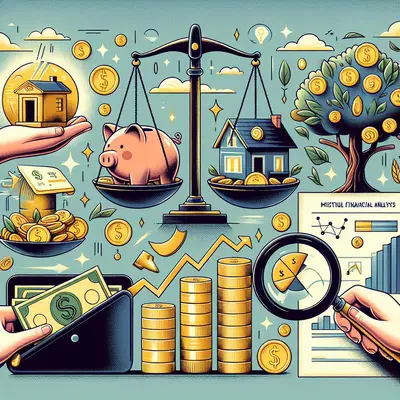
There’s a plot twist happening in personal finance right now: the main character isn’t the market, the Fed, or the latest meme coin—it’s you. Your money moves, your systems, your daily habits. And the people quietly winning aren’t just “good with money”; they’re intentional, data‑driven, and low-key obsessed with getting their time back, not just stacking cash.
This is your invite to upgrade from “trying to save more” to running your life like a chill, well-funded empire. Let’s talk about the five money shifts everyone online is whispering about—but you’re going to be early enough to post first.
1. Calendar-First Budgeting: When Your Money Follows Your Schedule
The old way: build a budget in a spreadsheet and hope your life fits around it.
The new way: start with your calendar, then tell your money where to go.
Instead of staring at monthly totals, people are mapping money to actual days and events: that friend’s wedding, that quarterly trip, that “I know I’ll cave on takeout after back-to-back meetings” kind of Tuesday. They’re syncing bank due dates with paydays, blocking “money check-in” slots on Sundays, and treating money like time—finite, bookable, and protected.
This hits different because it turns abstract goals (“save more”) into real-time choices (“Thursday is my ‘no-spend on delivery’ day, so I prepped lunch already”). Budgeting stops being a vague guilt cloud and becomes a live operating system you actually use.
Shareable takeaway: Don’t ask “Where did my money go?” Ask, “What’s my money booked for on my calendar this week?”
2. Automations With Vibes: Turning Paydays into Playdays
Payday used to mean logging in, moving money around, and hoping you didn’t forget something. Now? The most dialed-in people barely touch their accounts.
They’re building “vibe-based” automations:
- A set amount zips straight to a high-yield savings account the minute the paycheck lands
- A specific percentage auto-invests in an index fund or retirement account
- A “fun money” account refills itself every pay period—no shame, fully intentional
- Bills get auto-paid on a staggered schedule to smooth out cash flow
The key difference: this isn’t extreme restriction; it’s curated permission. You automate your boring-but-crucial priorities first so whatever’s left is guilt-free. That’s how you get that rare combo of “my future is handled” and “I can say yes to brunch without panic.”
Shareable takeaway: Manual money is chaos money. If you can automate your Spotify subscription, you can automate your savings and investments.
3. Net Worth Tracking as a Life Progress Bar
Budgeting shows you this month. Net worth shows you the movie, not just the scene.
More people are treating their net worth—assets minus debts—as their real “level-up” metric. Not salary. Not how much they saved one time. The whole picture, updated regularly. It’s becoming the new health check: like tracking steps or sleep, but for your financial life.
Here’s why it’s catching on:
- You visually see debt shrinking and investments growing together
- You stay motivated when one area dips (market down) but others rise (cash up, debt down)
- You stop obsessing over one number (like credit score) and focus on the system, not just the score
People are building simple dashboards (apps or DIY spreadsheets) and checking in monthly—not daily doom-scrolling, just one intentional pulse check. It shifts your energy from “Am I doing enough?” to “Is my overall direction up and to the right?”
Shareable takeaway: Your net worth graph is the real glow-up photo. The earlier you start tracking, the better the before-and-after.
4. “Minimum Effective Investing”: Doing Less, Winning More
The flex used to be picking hot stocks. Now the flex is… not needing to.
“Minimum effective investing” is the idea that a few high-impact moves beat endless tinkering:
- Low-cost index funds or ETFs instead of constant stock picking
- Automatic contributions instead of trying to “time” the perfect moment
- A simple, boring mix of assets that you stick with through loud headlines
People into this trend aren’t uneducated; they’re over the chaos. They know that fees, FOMO trades, and panic-selling are the real wealth killers. So they set rules once, let automation handle the rest, and go live their lives.
The twist: this doesn’t mean ignoring risk. It means deciding your risk level once, then refusing to renegotiate with your emotions every time the market has a mood swing.
Shareable takeaway: You don’t need a new investing strategy every week. You need one solid strategy you actually follow for a decade.
5. Lifestyle Design > Lifestyle Creep
Lifestyle creep is quiet: you make more, you spend more, your lifestyle upgrades—but your stress doesn’t really go away.
The countertrend: designing your lifestyle on purpose instead of letting purchases happen “just because I can.”
People are:
- Naming their “enough number” for housing, cars, and subscriptions
- Deciding which expenses spark energy (gym membership, courses, travel) vs. which are just autopilot (yet another streaming service)
- Using raises and windfalls to buy time (less overtime, more childcare help, outsourcing chores) instead of just stuff
This isn’t about living small. It’s about living sharp. Every dollar is either building a life you actually want or padding a life you drifted into.
Shareable takeaway: Lifestyle creep is accidental. Lifestyle design is aesthetic. Choose the aesthetic.
Conclusion
This era of personal finance isn’t about being perfect, frugal to the point of misery, or glued to charts. It’s about being the creative director of your money: setting the vision, locking in the systems, and letting automation and smart habits run the background.
Start with one move: block a 30-minute “money main character” session on your calendar this week. Map your next payday, set up one automation, or track your net worth for the first time. Small, consistent upgrades are how ordinary finances quietly turn into extraordinary options.
When your money has a plan, you get your brain—and your life—back. That’s the real flex.
Sources
- Consumer Financial Protection Bureau – Building a Budget - Practical guidance on creating and managing a budget based on income and expenses
- U.S. Department of Labor – Saving for Retirement - Overview of retirement saving options and why starting early matters
- Bogleheads – Investing Start-Up Kit - Community-built guide on simple, low-cost, long-term investing strategies
- Morningstar – Why Net Worth Is the Number That Really Matters - Explains why tracking net worth is key to understanding financial health
- Federal Reserve – Report on the Economic Well-Being of U.S. Households - Research on how Americans handle savings, debt, and financial stress
Key Takeaway
The most important thing to remember from this article is that this information can change how you think about Personal Finance.