Crypto isn’t just charts and candlesticks right now—it’s a full-blown true-crime thriller. With new details emerging around the dismemberment of alleged crypto scammer Roman Novak and his wife in Dubai, the market is getting a brutal reminder: where there’s big money, there’s big risk, big fraud, and big emotion. And yet? Capital is still pouring into digital assets, altcoins are ripping, and speculation is vibing at 2021 levels.
Let’s unpack how this horrifying real-world story—and the scandals orbiting it—are reshaping today’s Market Trends in a way every finance junkie should be watching closely.
1. True-Crime Crypto Is Fueling a New “Risk Porn” Economy
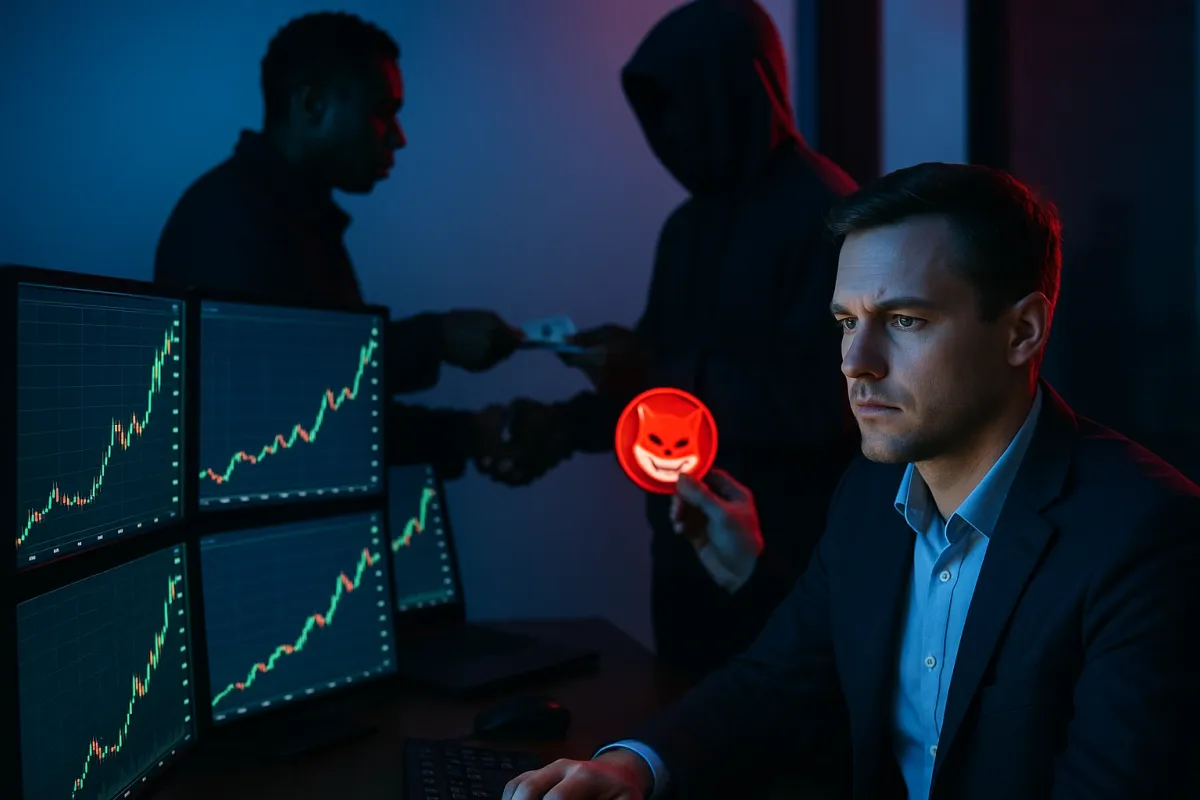
The Novak case—alleged kidnapping, ransom, and dismemberment tied to suspected crypto scamming—has become clickbait gold across X, Telegram, and YouTube. Creators are spinning hour-long breakdowns of on-chain moves, shady exchanges, and “follow the wallet” theories, and viewers are glued to it like it’s a Netflix series.
Here’s the wild part: instead of scaring people out of the market, this kind of content is pulling more eyeballs into crypto. It’s the same phenomenon that turned the FTX collapse into a content goldmine—people binge-watch the chaos, then open an exchange account “just to see what’s going on.” Attention is an asset class now, and nothing grabs attention like a headline that mixes Bitcoin wallets and body bags. That emotional intensity is translating into higher trading volumes and more retail re-entry, even from folks who swore they were “done with crypto” after the last crash.
2. On-Chain Sleuths Are the New Wall Street Analysts
With every new detail in the Novak case, the crypto-sleuth crowd goes to work: tracking wallets, mapping transactions, and cross-referencing addresses with shady OTC desks and offshore exchanges. What used to be niche forensic work is now market-moving research.
Big funds and serious traders are quietly following the same accounts that retail does—those anonymous on-chain analysts who post live wallet flows, exchange inflows/outflows, and suspected scam networks. When a sleuth threads a story about a suspected rug pull or whale dumping, you can literally see it show up in price action minutes later. The takeaway for market-watchers: behavior data is outpacing balance sheets and earnings calls in terms of reaction speed. If you’re not tracking wallet flows and forensic threads, you’re trading yesterday’s story.
3. “Regulation by Horror Story” Is Back on the Menu
Every time a high-profile crypto crime breaks into mainstream news—FTX, Celsius, Terra, and now the Novak case—regulators get fresh ammo. The narrative writes itself: “unregulated casinos,” “shadow banking,” “borderless money for borderless crime.” Expect politicians and watchdogs to cite this exact case in upcoming hearings and policy debates.
But here’s the twist for Market Trends: big capital actually likes certain flavors of regulation. The more terrifying the crime headlines, the easier it is for large institutional players to make the case for stricter rules, clearer frameworks, and institutional-grade custody solutions. That, in turn, opens the door to more traditional asset managers, pension funds, and corporates dipping into digital assets. So while retail might read this case as “crypto is scary,” Wall Street reads it as “time to push for the rules that let us scale into this thing.”
4. “Safety Premium” Coins and Platforms Are Quietly Outperforming
Whenever crypto’s dark side steals the spotlight, the market doesn’t just panic-sell—it repositions. We’re already seeing traders rotate out of shady, low-liquidity tokens and into assets and platforms with at least a veneer of safety: BTC, ETH, major L1s with transparent teams, exchanges with strong KYC, and regulated custody platforms.
This shows up in:
- Higher spot volumes on better-known exchanges
- Growing interest in regulated ETFs, ETPs, and listed crypto products
- A mini-renaissance for boring but battle-tested infrastructure plays (custody, compliance, and audit tools)
The Novak story amplifies a simple trend: risk-on narrative, risk-off execution. People still want the upside of the crypto casino, but they’re choosing better-lit tables—blue-chip coins, higher-security platforms, and products with regulators in the loop. It’s not degen or boomer—it’s both, blended.
5. “Crime Volatility” Is Becoming a Tradable Signal
Here’s where it gets very 2025: crime-driven narrative spikes are starting to look like a trading indicator in their own right. Every time a major scandal breaks—an exchange implosion, a high-profile arrest, or a headline like the Novak case—social media sentiment spikes, volatility jumps, and options markets light up.
Traders are now:
- Watching news intensity and search trends as a proxy for upcoming volatility
- Using options plays to ride the chaos (straddles/strangles around big narrative events)
- Feeding news + on-chain data into quant models to front-run panic or euphoria
In other words, the dark stuff isn’t just background noise—it’s becoming part of the toolkit. Crime, scandal, and regulation scares are turning into data streams that can be modeled, priced, and traded. Morally messy? Absolutely. But from a pure market-structure perspective, this is a clear evolution: narrative volatility is now an asset class.
Conclusion
The Novak case isn’t just another disturbing headline—it’s a live stress test for how modern markets digest fear, crime, and speculation in real time. Instead of killing the crypto narrative, it’s mutating it: more regulation talk, more sleuthing, more “safety premium,” and more traders trying to quantify chaos.
If you’re watching Market Trends right now, this moment is a masterclass in how storytelling, scandal, and flows collide. The line between Netflix true crime and your trading screen has never been thinner—and that’s exactly why smart money is paying attention.
Share this with the friend who says “crypto is dead.”
The market’s not dead—it’s just gone full crime thriller.
Key Takeaway
The most important thing to remember from this article is that this information can change how you think about Market Trends.