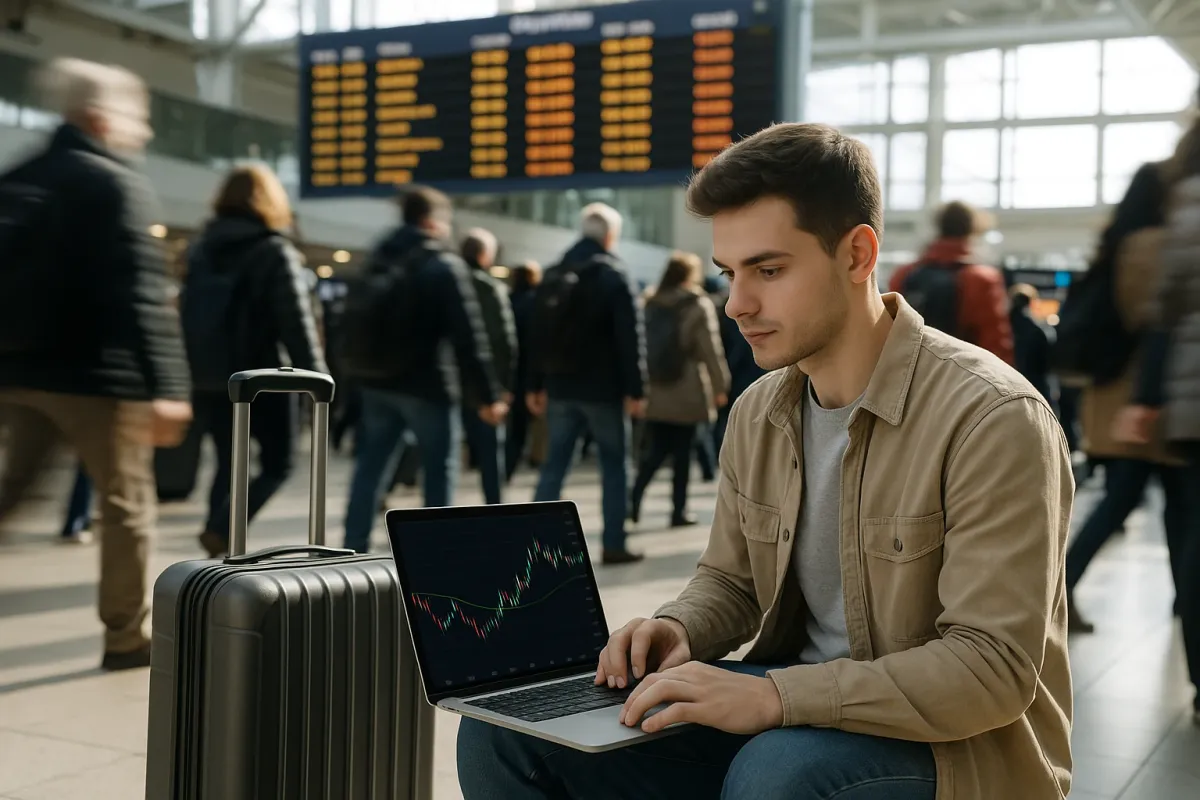
If you’re already mentally standing barefoot at TSA, clutching your laptop, and wondering why you didn’t just stay home… good. Because this year’s holiday travel chaos isn’t just a stress test for your patience—it’s a masterclass in how to think like a sharper investor.
Today’s viral “holiday travel gadgets” coverage is exploding for a reason: flights are packed, airlines are trimming costs, airports are overwhelmed, and people are panic-buying anything that promises less misery. That same frenzy is quietly shaping profits for airlines, luggage brands, insurance companies, and travel platforms right now.
Let’s turn that mess into money. Here’s how to read the chaos like an investor, not just a frazzled passenger.
Treat Delayed Flights Like Volatile Stocks (And Prep Before Takeoff)
Holiday flights are basically meme stocks with wings: overbooked, unpredictable, and one “weather event” away from full meltdown. The difference? Smart travelers hedge their risk. Smart investors do too.
When you buy a plane ticket during peak season without travel insurance, buffer time, or backup plans, you’re betting everything on a best‑case scenario. Most retail investors do this with their portfolios—they pile into one hot sector (hello, AI or crypto) with no diversification and hope for clean skies. Instead, copy the pros: diversify across “routes.” Use broad ETFs (like S&P 500 or total market funds) as your reliable main flight, then add selective “layovers” in higher‑risk themes (AI, clean energy, cyber, travel tech) in small doses. If one route gets canceled (say, tech sells off), your whole trip isn’t ruined. Volatility is the weather; your allocation is the flight plan.
Follow the Luggage: Travel Gear Demand Is a Real-Time Data Point
Those viral articles about “must‑have travel gadgets” aren’t just fun scrolls—they’re a live heat map of what stressed consumers are willing to spend on. Compression cubes, smart trackers like Apple AirTags, ultra‑light carry‑ons, power banks, noise‑canceling headphones… that’s not random. It’s product‑market fit in motion.
As an investor, watch this behavior. Are people upgrading luggage instead of cutting back? That’s resilience in discretionary spending. Luggage makers, travel accessory brands, and even big-box retailers selling these items can ride that wave. Look at earnings from companies like Samsonite (owner of Tumi), Apple (AirTags and AirPods), and major retailers. Are they calling out travel demand on earnings calls? Are travel categories growing faster than others? That’s your signal that the “travel economy” isn’t just vibes—it’s a revenue stream. You’re not just buying a suitcase; you’re watching a sector flex.
Airlines, Hotels, and Platforms: Don’t Just Book Them—Analyze Them
While you’re rage-refreshing your airline app, Wall Street is laser‑focused on the same bottlenecks—just from a profit angle. Packed planes, resort surcharges, and dynamic pricing on booking sites? Those are margin engines.
For investors, think in ecosystems, not tickets. Airlines, hotel chains, and booking platforms (like Booking Holdings or Expedia) don’t all move the same, even though they all touch travel. Airlines are fuel‑cost and labor sensitive, and holiday chaos can trigger compensation costs and bad headlines. Hotels benefit from pricing power when rooms are scarce in key destinations. Platforms sit in the middle, earning fees on the entire flow, regardless of which airline or hotel wins. When chaos spikes and you see prices surging but airports still packed, it’s a sign pricing power is intact. That’s usually good news for revenue—if companies can avoid reputational blowups and operational disasters. Read holiday earnings commentary like you read online reviews: what’s really happening behind the scenes?
Travel Insurance FOMO = A Live Lesson in Risk Management
Every time someone gets stranded overnight with no coverage, another person swears, “I am NEVER skipping travel insurance again.” That shift in mindset is gold for one sector: insurance. More risk‑aware consumers mean more policies, more premiums, and, if underwritten well, more profit.
As an investor, the takeaway isn’t “buy any insurance stock.” It’s to internalize why insurance exists at all: to protect you from tail‑risk events that feel unlikely—until they hit. Your portfolio needs the same philosophy. Emergency fund? That’s your delay voucher. Diversification across assets? That’s your trip protection. Defensive stocks, bonds, or cash? That’s your backup flight home. When you see friends FOMO‑buying travel insurance after a bad experience, translate that straight into investing behavior: where are you still flying uninsured in your financial life?
The Real Flex: Investing While Everyone Else Is Just Complaining
Scroll social media during peak holiday season and it’s pure content: lost luggage, insane security lines, delayed flights, chaotic boarding, airport floor naps. But underneath the memes is something powerful—demand. People complain… and still fly. Still book hotels. Still buy gadgets. Still go again next year.
That’s your signal as an investor: separate noise from structural behavior. If people are still traveling despite higher prices, that’s resilience, not collapse. While everyone else is venting on TikTok about airport nightmares, use that energy as a checklist: Which companies are being mentioned by name (good or bad)? Which brands are stepping up with solutions—faster boarding, better apps, smarter luggage, more flexible policies? Are there emerging players solving specific pain points like trip tracking, automatic compensation claims, or smart bag monitoring? Markets reward problem‑solvers. The chaos makes those winners visible in real time if you’re paying attention. Don’t just share the memes—take notes.
Conclusion
Holiday travel chaos is annoying, but it’s also one of the clearest, loudest live case studies in how money moves under stress. From viral travel gadgets to packed flights and surge‑priced hotels, you’re literally walking through a multi‑billion‑dollar ecosystem every time you hit the airport.
This year, don’t just survive the trip—upgrade your investor brain while you do it. Watch what people panic‑buy, where they refuse to cut back, which brands quietly win, and which ones fumble the bag (sometimes literally). That’s not just content for your feed. That’s your cheat sheet for smarter, more resilient investing going into the new year.
Key Takeaway
The most important thing to remember from this article is that this information can change how you think about Investment Tips.