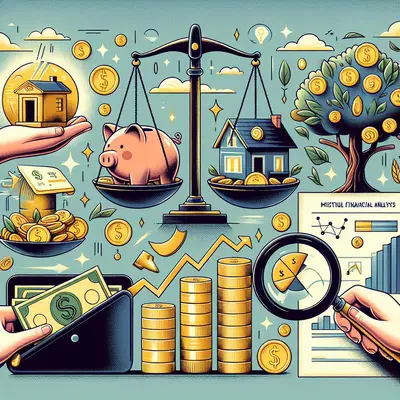
The money glow-up is real—and it’s not just about “saving more” or “cutting lattes.” There’s a whole new wave of personal finance energy that’s less hustle-culture, more intentional-flex. People are curating their bank accounts the same way they curate their feeds: with vibes, strategy, and long-game thinking.
These five trending money shifts are blowing up group chats, Discords, and niche corners of FinTok—for good reason. If you’re ready to upgrade your financial era without turning into a spreadsheet robot, this is your playbook.
The New Flex: High-Yield Cash as Your Digital “Safe Space”
The quiet trend? People are dumping low-yield checking accounts and treating high-yield savings like a non-negotiable “money sanctuary.”
Instead of parking cash in a regular bank earning basically nothing, creators and finance nerds are stacking cash in high-yield savings accounts (HYSAs) and online money market accounts. The vibe: your emergency fund, travel fund, and down-payment dreams all get VIP treatment in separate, named sub-accounts you can actually see and track.
This hits different because it turns “savings” from a vague idea into a visual system. You’re not just saving; you’re assigning every dollar a job. A “Never Touch” fund. A “Leave My 9–5” fund. A “Spontaneous Flights Only” fund. With many online banks offering significantly higher APYs than traditional banks, the spread in interest isn’t just math—it’s motivation.
People love sharing screenshots of growing balance bars and interest earned because it feels like progress without punishment. It’s not about being frugal; it’s about designing a digital space where your money feels protected, intentional, and low-drama.
Debt, But Make It Strategic: Turning Payoff Plans Into Power Moves
The conversation around debt is evolving from shame to strategy. Instead of hiding balances, people are posting payoff charts, amortization graphs, and “before vs. after” screenshots like they’re fitness transformations.
The trend isn’t just “pay off debt”—it’s how you do it:
- Some are going full “debt avalanche,” attacking high-interest debts first to crush total interest paid.
- Others are riding the “debt snowball,” paying off the smallest balance first to build momentum and confidence.
- A growing wave is blending payoff and investing—making minimums (or a bit more) on low-interest debt while aggressively investing in tax-advantaged accounts.
What’s new is that payoff tracking has turned into a personal brand move: people are color-coding progress bars, sharing digital trackers, and treating debt freedom dates like launch dates. The shift is from “I messed up” to “I’m running a strategy,” and that emotional flip is huge.
When shared, these stories are deeply relatable—and quietly educational. You’re not just seeing someone win; you’re watching how they structured their payoffs, refinanced, negotiated interest, or chose which debts to ignore temporarily while stacking assets.
Investing Goes “Set-It-and-Glow”: Automated, Boring… and Viral
The hottest long-term trend? Boring investing with main-character branding.
Instead of constant day-trading and meme-stock chaos, more people are leaning into low-cost index funds, broad ETFs, and automated recurring investments. The algorithm loves drama, but real wealth-building is starting to trend precisely because it’s chill and repeatable:
- Automatic weekly or biweekly investments into a broad-market ETF
- Reinvesting dividends instead of cashing them out
- Sticking with simple allocations like “total US + total international + bonds” and not overcomplicating it
The twist: people are romanticizing the routine. They’re naming their auto-invest like a recurring series (“Wealth Wednesday,” “Future Me Friday”), posting monthly growth snapshots, and tracking long-term goals like “100K invested by 30” instead of “get rich by next week.”
The “set-it-and-glow” energy is viral because it’s accessible. You don’t need insider access or complex models—just consistency, low fees, and time. And as more creators break down index funds, diversification, and compounding into punchy, shareable content, the once-boring world of passive investing is suddenly aspirational.
Lifestyle Design > Budget Punishment: Cash Flow With Main-Character Boundaries
Budgets used to feel like punishment; now they’re being reframed as “cash flow design” and “spend alignment.” Same math, better marketing—and honestly, better psychology.
The new wave isn’t about tracking every cent. It’s about building a money system that matches your actual life:
- Fixed essentials: rent, utilities, insurance, subscriptions you truly use
- Automated goals: investing, savings, debt payoff
- Guilt-free spending: a flexible bucket you actively plan to enjoy
Instead of “no takeout” rules, people are choosing 1–3 non-negotiable joy categories—like concerts, coffee, or weekend trips—and optimizing the rest. The point is not to spend less everywhere; it’s to spend louder where it matters and quieter where it doesn’t.
This resonates hard on social because it feels human. People are openly saying: “I’ll drive a basic car, but I’m flying business once a year,” or “I’ll live with roommates longer to travel more now.” That’s cash flow as a values statement, not a spreadsheet straightjacket.
The shareable insight: your budget isn’t a verdict; it’s a script. You’re not “bad with money” if you love eating out—you’re just misaligned if your numbers don’t match your actual priorities.
Financial Independence, Rebranded: From “Retire Early” to “Work Optional”
The classic FIRE (Financial Independence, Retire Early) movement is getting a glow-up. The new vibe isn’t “quit everything ASAP”; it’s “build a work-optional life with layers of freedom.”
Instead of a single, all-or-nothing retirement number, people are talking in stages:
- Cushion freedom: 3–12 months of expenses saved → freedom to leave a toxic job
- Flex freedom: a decent investment base → freedom to reduce hours, switch careers, or take sabbaticals
- Full freedom: work-optional status → you work if you want to, not because you have to
What’s trending is this idea of micro-FI—hitting smaller financial independence checkpoints that unlock real-life options along the way. That could mean building a “sabbatical fund,” hitting the point where investments cover rent, or covering one major life category (like food or travel) with passive income.
It’s viral because it feels reachable. You don’t have to grind for 20 years to see benefits; every checkpoint upgrades your negotiating power, your boundaries, and your stress levels. The story shifts from “grind until 45” to “stack freedoms every few years.”
And as more people share their FI numbers, charts, and “how my expenses changed” breakdowns, the conversation is getting more transparent and less gatekept.
Conclusion
The new wave of personal finance isn’t about perfection—it’s about personalization. High-yield savings as a safe space, strategic debt payoff, boring-but-beautiful investing, values-driven spending, and layered financial independence all share one theme: your money is a tool, not a test.
The accounts, apps, and strategies might change, but the real trend is this: people are building lives where money supports their story instead of controlling it. That’s the kind of energy worth screenshotting, saving, and quietly copying.
Sources
- Consumer Financial Protection Bureau – High-Yield Savings & Interest – Explains what high-yield savings accounts are, how they work, and why interest rates matter for savers
- U.S. Securities and Exchange Commission – Beginner’s Guide to Asset Allocation – Covers diversification, risk, and the basics of building a long-term investing strategy
- Federal Trade Commission – Dealing with Debt – Breaks down options for managing and paying off debt, plus key terms and protections
- Bureau of Labor Statistics – Consumer Expenditures Data – Provides real-world data on how households spend, useful context for understanding budgets and lifestyle design
- Trinity University – “Retirement Savings: Choosing a Withdrawal Rate That Is Sustainable” (Trinity Study PDF) – Foundational research behind sustainable withdrawal rates often referenced in financial independence discussions
Key Takeaway
The most important thing to remember from this article is that this information can change how you think about Personal Finance.