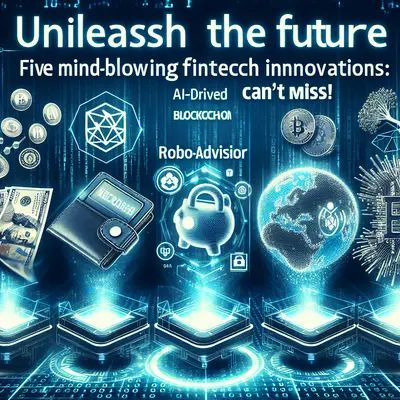
Fintech isn’t just “apps that move money” anymore—it’s turning into the operating system of everyday life. Your bank, your side hustle, your rent, your investments, even your TikTok shopping cart? All quietly getting rewired in the background.
If you like being early on big shifts (or at least sounding like you are), these are the fintech storylines you’ll want to drop in group chats, Slack threads, and Twitter rants. Let’s run through the five trends quietly leveling up how money actually works in 2025.
Real-Time Money Is Becoming the Default, Not the Flex
Waiting days for deposits to “clear” is starting to feel ancient. Around the world, real-time payment rails are turning money into more of a live stream than a scheduled upload.
In the U.S., the Federal Reserve’s FedNow Service is pushing banks toward instant transfers for businesses and consumers, which means payroll that hits now, not “by Friday.” Other countries are already there: Brazil’s PIX system moves money in seconds and has exploded in adoption, and the U.K.’s Faster Payments has been quietly powering instant transfers for years. This speed isn’t just a convenience upgrade—it changes behavior. Freelancers can manage cash flow with less stress, small businesses can pay suppliers on delivery, and lenders can underwrite and disburse loans same day. The catch? Instant is only as safe as the fraud controls behind it, so expect an arms race between speed and security as real-time becomes the new baseline.
Everything-As-a-Bank: Money Tools Hiding Inside Your Favorite Apps
You no longer have to “go to your bank” when your bank is basically embedded everywhere. The term you’ll keep hearing: embedded finance—financial services woven directly into non-financial apps and platforms.
Think of a ride-hailing app offering drivers instant payouts, a marketplace front-ending installment plans at checkout, or your payroll platform giving you early access to earned wages. Under the hood, traditional banks and fintech infrastructure players are powering the boring stuff—compliance, licensing, payment routing—while consumer-facing apps just make it feel smooth and native. For creators and small businesses, this is huge: platforms can offer branded cards, lending, and cash management without building a bank from scratch. The endgame? You’ll interact with money more through brands you love and less through legacy banking portals—and most of the time, you won’t even realize you’re “using finance” at all.
AI-Powered Money Sidekicks Are Getting Uncomfortably Smart
That “round up your purchases” robo-saver was just the tutorial level. The next wave of AI in fintech is about deeply personalized, always-on money copilots that feel more like a smart CFO than a basic budgeting tool.
Banks and fintech apps are feeding AI models real transaction history, behavioral patterns, and macro data to spot issues before you feel them—like flagging that your rent increase plus your current subscription stack equals a negative cash flow in three months. On the investing side, AI is moving beyond generic robo-advisors into scenario planning: “What happens if I move cities, switch jobs, and save 10% more?” These tools can simulate paths and recommend moves in real time. There’s a flip side: bias and explainability. Regulators are watching closely, and financial institutions have to prove that AI-led decisions (like who gets a loan or what rates they see) aren’t quietly discriminating. Still, for everyday users, the trend is clear: your money apps are about to talk back—helpfully.
Digital Identity and KYC Are Getting a Massive Upgrade
Opening an account or verifying your identity used to mean paperwork, selfies, and waiting. That friction is a major drag on fintech innovation—and a big security risk when done badly. Now, identity infrastructure is leveling up.
Biometrics, device intelligence, and behavioral signals (how you type, swipe, or move through an app) are being fused with traditional checks to create ongoing, dynamic verification instead of one-time onboarding. In some regions, government-backed digital IDs are plugging straight into fintech flows, trimming onboarding to minutes while improving compliance with KYC (Know Your Customer) and AML (anti–money laundering) rules. For users, the upside is less password chaos and fewer “upload your ID again” requests; for platforms, it’s lower fraud and better regulatory alignment. Long term, your “financial identity” will be more portable: think verifying once, then reusing that trusted profile across apps, banks, and platforms with a few taps.
Tokenized Assets Are Quietly Making Tradable Everything a Thing
Crypto headlines may have cooled, but the underlying tech is sneaking into mainstream finance through something much more practical: tokenization. Instead of chasing meme coins, institutions and fintechs are focused on wrapping real-world assets into digital tokens that can be traded and settled faster and more flexibly.
We’re talking government bonds, private credit, funds, even real estate and art—all represented as programmable tokens on secure networks. Big banks and asset managers are piloting tokenized funds with same-day or near-instant settlement, potentially slashing back-office costs. For liquidity-starved asset classes, tokenization could unlock fractional ownership and broader access, especially for investors who historically couldn’t touch these markets. Regulators are cautious but engaged, building frameworks for digital asset markets rather than just saying no. If this scales, “what you can invest in” gets way more diverse—and how fast you can move in and out of positions radically changes.
Conclusion
Fintech isn’t one big boom moment—it’s a stack of quiet revolutions merging into something way bigger. Instant payments are killing the waiting game, finance is blending into every app we use, AI is turning money tools into smart copilots, digital identity is getting serious, and tokenization is redefining what’s even tradable.
For finance nerds, builders, and curious investors, this is the era to pay attention—not just to prices and market noise, but to the plumbing underneath. That’s where the next decade of opportunity is being wired in.
Sources
- Federal Reserve – FedNow Service – Official overview of the FedNow instant payments system and its role in U.S. real-time payments
- Bank for International Settlements – Fast Payments – Global analysis of fast payment systems and how they’re reshaping retail payments
- McKinsey & Company – Embedded Finance: What It Takes to Prosper in the New Value Chain – Deep dive into how embedded finance is transforming traditional financial services
- World Economic Forum – AI in Financial Services – Research and frameworks on responsible AI adoption in banking and fintech
- International Monetary Fund – Tokenization: The Future of Finance? – Overview of real-world asset tokenization and its potential impact on global financial markets
Key Takeaway
The most important thing to remember from this article is that this information can change how you think about Fintech News.